Traveling to the Amazon is often seen as a journey into one of the most extraordinary natural places on Earth. For many travelers, it means rainforest landscapes, wildlife encounters, rivers, birds, ancient trees, and unforgettable adventures.
But in places like Yasuní, traveling can mean something much deeper.
At Yasuní Ecolodge, every visit becomes part of a larger story: a story of community, conservation, resilience, culture, and hope for future generations.
Located within the ancestral territory of the Kichwa Añangu Community, in the heart of the Ecuadorian Amazon, Yasuní Ecolodge represents a community-led tourism model where travelers not only discover the rainforest, but also help protect it.
Here, tourism is not separated from conservation. It is one of the reasons the forest continues to stand.
A Community That Chose Conservation
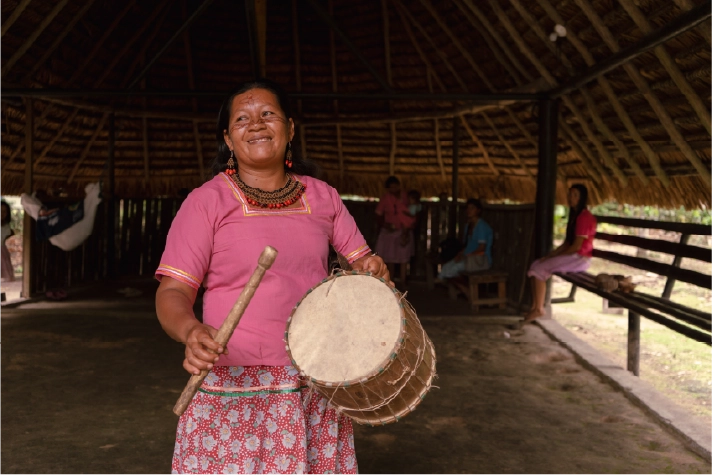
The story of the Kichwa Añangu Community is deeply connected to the forest, the rivers, and the wildlife of Yasuní.
For generations, the Amazon has been home, shelter, source of food, medicine, stories, and identity. The forest is not simply a landscape; it is part of daily life, memory, and culture.
Years ago, the community made a powerful decision: to stop hunting and fishing within its territory and to protect the rainforest and its animals as a long-term vision for the future.
This decision was not simple. It required changing traditional practices, creating new opportunities, and finding a sustainable way to support local families while keeping the forest alive.
Community-based tourism became that path.
Through projects such as Yasuní Ecolodge and Napo Wildlife Center, the Kichwa Añangu Community built a model where conservation and local development can grow together.
Instead of extracting from the forest, the community chose to protect it. Instead of seeing wildlife as a resource to consume, they chose to protect animals so that life in the forest could continue and visitors from around the world could learn from it.
The Amazon as Home, Not Just a Destination
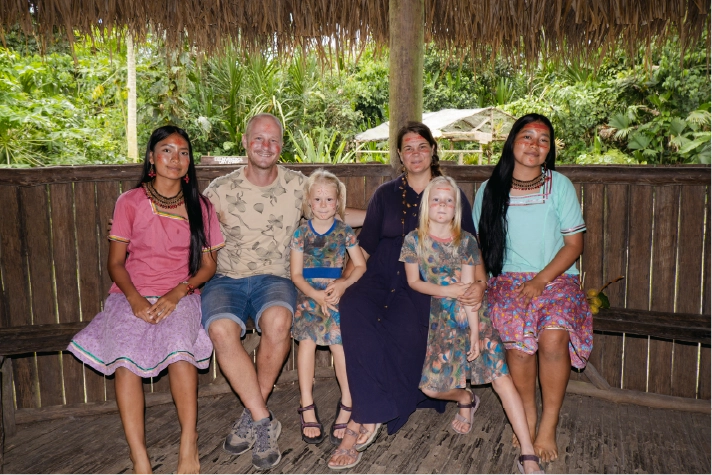 For international travelers, the Amazon can feel like a dream destination. But for the Kichwa Añangu Community, it is much more than that. It is home.
Every river, trail, tree, animal, sound, and plant has meaning. The forest provides knowledge, identity, spirituality, food, medicine, and connection.
Understanding this is an important part of responsible travel. When visitors arrive in Yasuní, they are not only entering a beautiful natural area; they are being welcomed into a territory protected by people who have lived in deep relationship with the rainforest for generations.
This is why tourism here must be respectful, conscious, and meaningful.
At Yasuní Ecolodge, travelers are invited to see the Amazon not only through landscapes and wildlife, but also through the eyes of the community that protects it.
How Each Visit Supports the Community
Every stay at Yasuní Ecolodge contributes directly to the community-led model of the Kichwa Añangu Community.
Tourism helps generate local employment and creates opportunities for guides, canoe drivers, kitchen staff, housekeepers, maintenance teams, cultural interpreters, artisans, and many other community members connected to the operation. But the impact goes beyond jobs.
The income generated through tourism is reinvested in important areas that improve the quality of life of the community, including:
- Education, supporting opportunities for children, youth, and future generations.
- Health, contributing to the wellbeing of local families.
- Conservation, strengthening the protection of the forest, rivers, and wildlife.
- Local employment, creating sustainable work within the territory.
- Community development, supporting initiatives that benefit families and nearby communities.
- Cultural preservation, helping keep traditions, language, knowledge, and identity alive.
This means that every traveler who visits Yasuní Ecolodge becomes part of a positive cycle: the forest is protected, the community receives opportunities, and visitors experience the Amazon in an authentic and responsible way.
From Adversity to Opportunity
The growth of community-led tourism in Añangu did not happen overnight. In the past, the community faced many challenges and limited access to opportunities. Life in the rainforest required strength, adaptation, and unity. There were fewer sources of income, fewer services, and fewer options for local development.
But instead of abandoning their territory or allowing external pressures to define their future, the community chose a different path.
They chose organization, conservation and tourism with purpose.
Today, projects like Yasuní Ecolodge show how a community can transform challenges into opportunities while staying connected to its roots.
The lodge is not only a place for travelers to sleep. It is part of a vision built by the community: a way to protect their home, create better opportunities, and share their culture with dignity and pride.
Protecting Wildlife by Protecting Habitat
One of the most important results of the community’s conservation decision is the protection of wildlife.
When hunting and fishing were left behind within the territory, the forest and its animals were given the chance to recover, move freely, reproduce, and thrive.
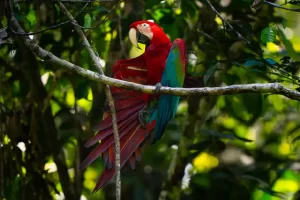
Today, visitors to Yasuní may have the opportunity to observe monkeys, birds, caimans, reptiles, amphibians, insects, giant river otters, and many other species in their natural habitat. These encounters are possible because the forest remains protected.
Responsible tourism helps give wildlife value alive and free.
Instead of being removed from the ecosystem, animals become ambassadors of conservation. They inspire visitors, support education, and remind us that a healthy rainforest depends on every species playing its role.
Protecting animals also means protecting the forests, rivers, trees, and nesting areas they need to survive.
Cultural Experiences That Keep Traditions Alive
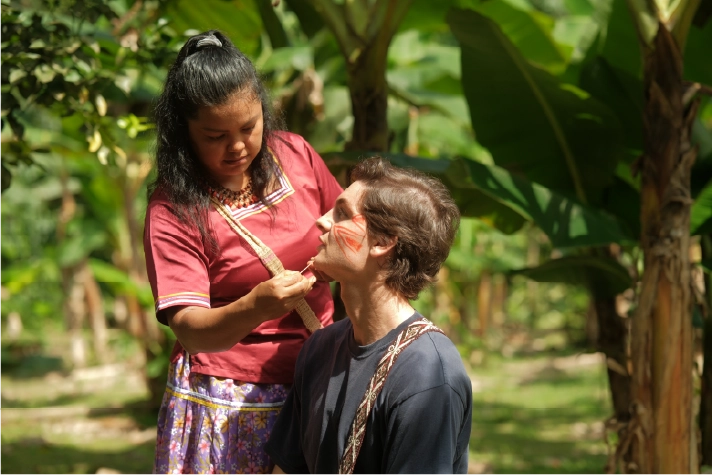
Traveling to Yasuní is also an opportunity to connect with living culture.
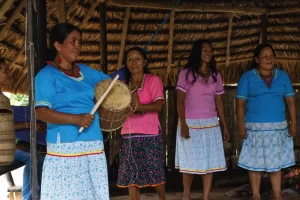
At Yasuní Ecolodge, cultural experiences allow guests to learn from the Kichwa Añangu Community through traditional knowledge, stories, food, music, dances, handicrafts, natural pigments, cacao, cassava, guayusa, and other elements of daily life.
These experiences are not performances without meaning. They are moments of exchange, learning, and respect.
When travelers participate in a cultural exchange, visit Kuri Muyu, learn about traditional face painting with achiote, discover how cassava is harvested, or share time with community members, they are supporting the continuity of ancestral knowledge.
Tourism becomes a bridge between cultures.
It allows the community to share its identity with pride while helping visitors understand that the Amazon is not only a place of biodiversity, but also a territory full of memory, wisdom, and human stories.
Responsible Tourism: A Journey With Purpose
Responsible tourism means understanding that travel has an impact.
Every decision matters: where travelers stay, who owns the lodge, how the experience is managed, whether local people benefit, and whether nature is respected.
Choosing a community-owned lodge like Yasuní Ecolodge means choosing a travel experience where the benefits remain in the territory and support the people who protect it.
For international travelers, this is an opportunity to move beyond traditional tourism and become part of something more meaningful.
A journey to Yasuní can inspire travelers to think differently about the places they visit. It can create awareness about the challenges faced by Indigenous communities, the importance of conserving tropical forests, and the need to support tourism models that protect rather than exploit.
Tourism with purpose is not only about seeing beautiful places. It is about understanding them, respecting them, and helping them continue to exist.
Why Conservation Needs Communities
The future of the Amazon depends not only on protected areas, but also on the people who live in and around them.
Communities like Añangu play a key role in conservation because they are present every day in the territory. They know the forest, understand its rhythms, monitor its changes, and protect it through daily decisions.
Their work shows that conservation is stronger when local people are part of the solution.
By supporting community-based tourism, travelers help strengthen a model where nature protection and human wellbeing are connected. This is especially important in places like Yasuní, where biodiversity, culture, and global environmental importance come together.
The Amazon cannot be protected without the communities that call it home.
A Future for the Next Generations
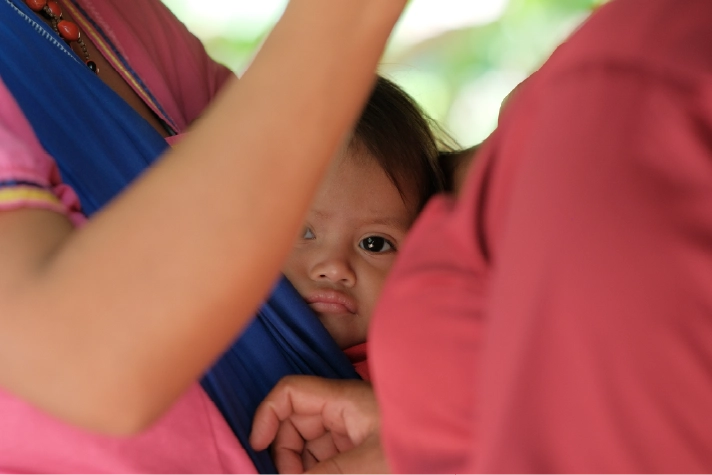
One of the most powerful reasons behind the work of the Kichwa Añangu Community is the desire to protect the forest for future generations.
The children of the community grow up surrounded by the same rivers, trees, animals, and stories that shaped the lives of their parents and grandparents. Protecting the territory means giving them the chance to inherit not only a place, but a way of life.
Through tourism, the community creates opportunities for young people to study, work, learn languages, become guides, manage projects, and continue developing skills without losing their connection to their roots.
Yasuní Ecolodge is part of that future.
Every traveler who visits contributes to a model that helps keep culture alive, supports education and wellbeing, and protects the rainforest so that future generations can continue to call it home.
Traveling to the Amazon can be one of the most unforgettable experiences in the world. But when it is done responsibly, it can also become a powerful act of support.
This is why traveling to the Amazon matters. Because behind every canoe ride, every trail, every cultural exchange, every wildlife encounter, and every night surrounded by the sounds of the rainforest, there is a community working to protect its home.
When travelers choose Yasuní Ecolodge, they are discovering the Amazon and helping protect its future. 🌿